

ABB Customer Service Portal
Digital Platform for ABB Turbocharging B2B clients
Digital service platform designed to help engineers monitor, maintain, and service turbochargers used in large marine and industrial engines. The goal was to unify fragmented tools and data into a single environment where teams could plan maintenance, analyze performance, and order spare parts efficiently.
CLIENT
PRODUCT
PLATFORM
TIMELINE
ABB
Cabin control app
2018 project
iOS & Android
This case study contains information from work completed under non-disclosure agreements. Sensitive details have been modified or omitted to respect confidentiality obligations. The content represents my personal analysis and work contributions, and does not necessarily reflect the views or positions of ABB Turbocharging.
CONFIDENTIALITY NOTICE
I led product and UX strategy, conducted user interviews and usability testing, defined information architecture, and delivered wireframes and high-fidelity UI tied to a scalable visual system. I also collaborated closely with engineers and product managers to validate concepts, prototype interactions, and streamline the design-to-development process.
MY ROLE
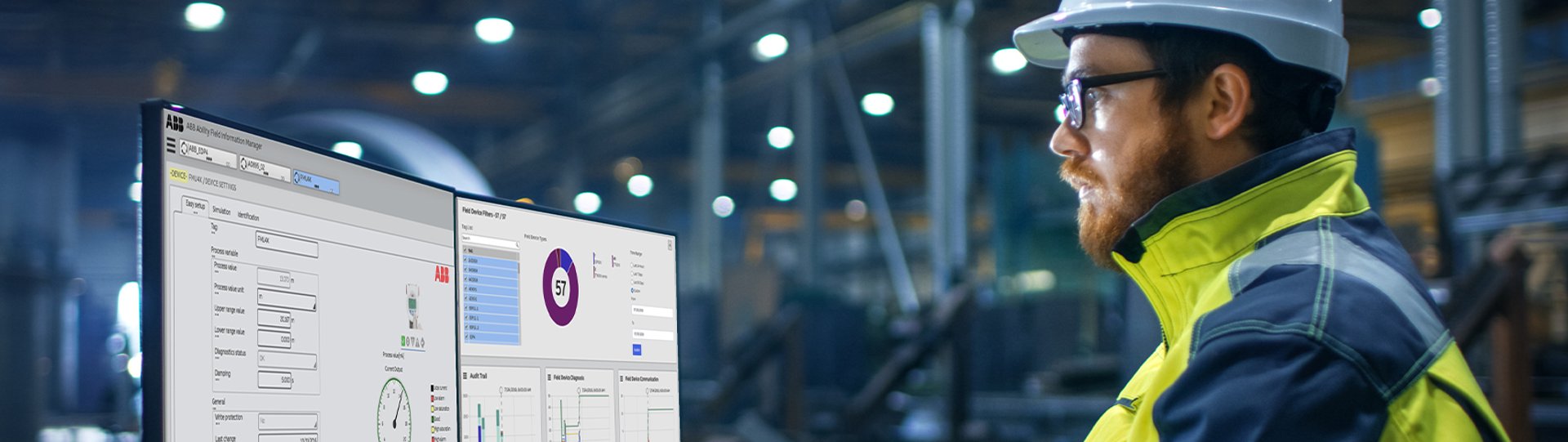
ABB Turbocharging engineers relied on multiple disconnected tools to monitor equipment, plan service, and order spare parts. Interfaces were inconsistent and difficult to navigate, slowing down critical maintenance workflows.
THE CHALLANGE
The challenge was to transform complex technical systems into a unified digital platform that simplifies service planning, improves performance visibility, and enables faster decision-making for global engineering teams.
PROJECT GOALS
Simplify complex service workflows
Enable engineers to quickly diagnose issues, plan maintenance, and access technical information without navigating multiple tools.
Improve performance visibility
Provide clear and actionable insights into engine and turbocharger performance through accessible dashboards.
Create a scalable digital ecosystem
Unify monitoring, service planning, spare parts ordering, and performance analytics into one consistent platform.
Create a unified digital platform that simplifies turbocharger monitoring, service planning, and maintenance workflows for global engineering teams.

RESEARCH & INSIGHTS
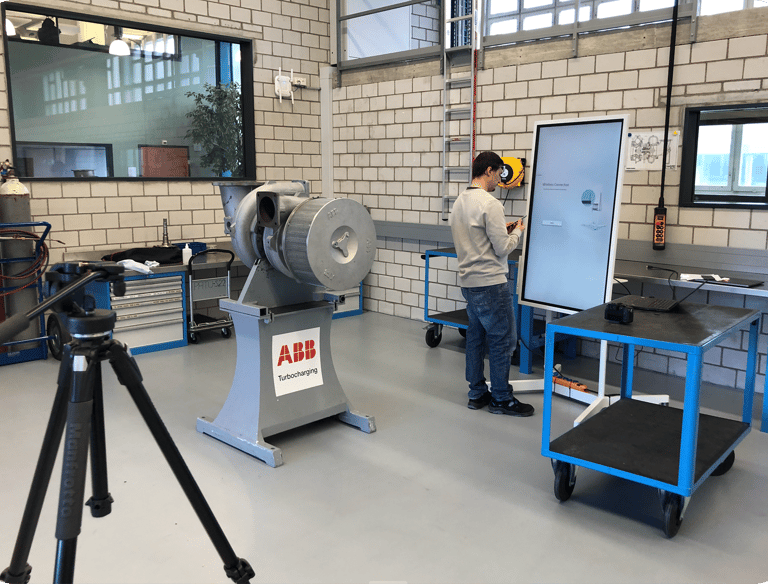
To understand how engineers work in real operational environments, I conducted user interviews, usability testing, and workflow analysis with service engineers and product experts.
The research focused on how teams diagnose issues, plan maintenance, and manage spare parts across vessels and service locations. These insights helped identify where digital tools created friction and where simplified workflows could deliver the greatest value.
Problem Areas
Engineers relied on several disconnected systems to manage monitoring, maintenance planning, and spare parts ordering.
01.
02.
Critical service tasks required navigating multiple screens and systems, slowing down operations in time-sensitive environments.
03.
Different tools followed different UI patterns, increasing cognitive load and reducing efficiency.
04.
Technical data was difficult to interpret quickly, making performance monitoring and diagnostics more challenging.
I evaluated the existing interaction patterns to identify friction points and scalable strengths.
Fragmented tools
Complex workflows
Inconsistent interface
Limited data clarity
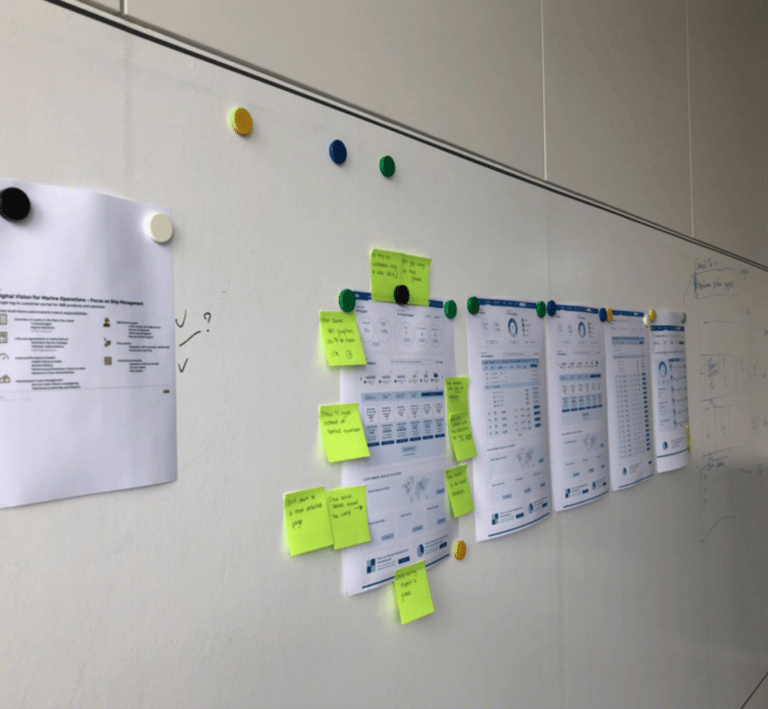
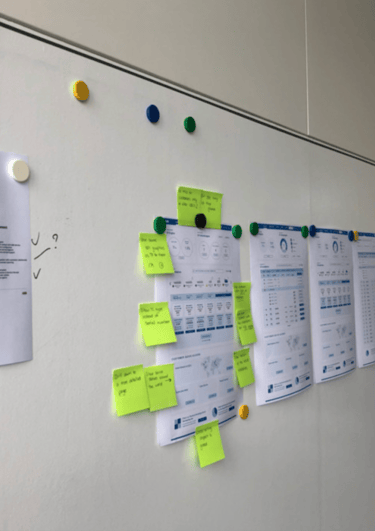
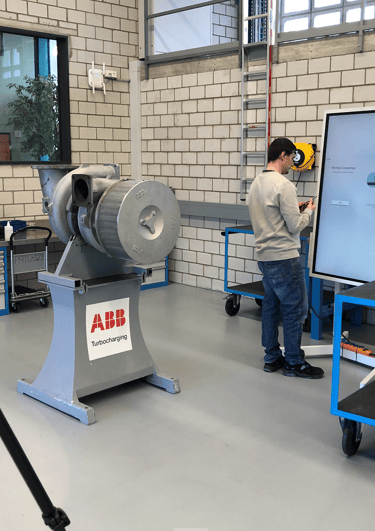
Engineers often work in time-critical situations and require fast access to diagnostics, maintenance history, and service documentation.
01.
02.
Information needs change depending on the task — monitoring performance, planning maintenance, or ordering spare parts.
03.
Raw technical data is less useful without clear visualization and contextual insights that help engineers identify issues quickly.
04.
Standardized interaction patterns across tools reduce training time and allow teams to move faster between tasks.
Insights
Service engineers need speed
Context matters
Data must be actionable
Consistency improves efficiency
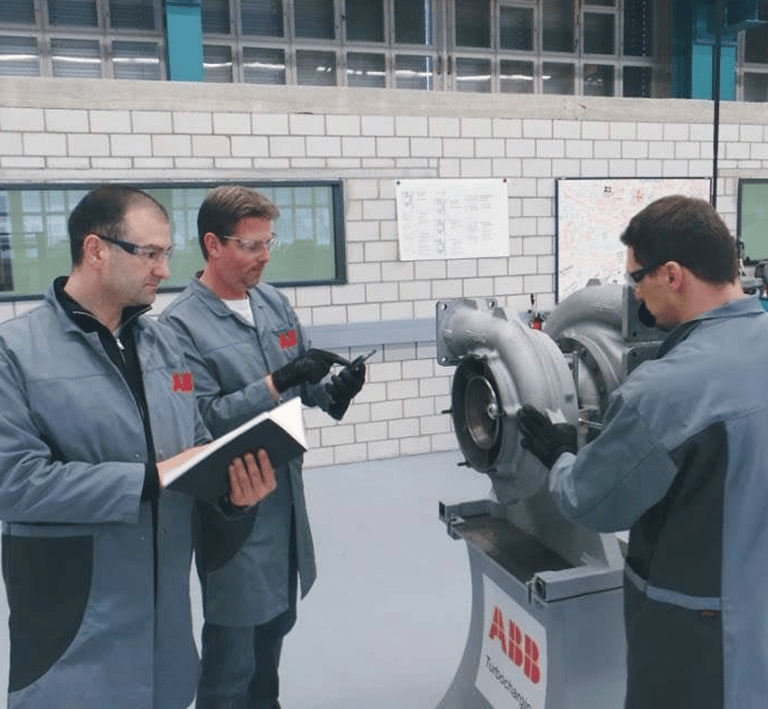
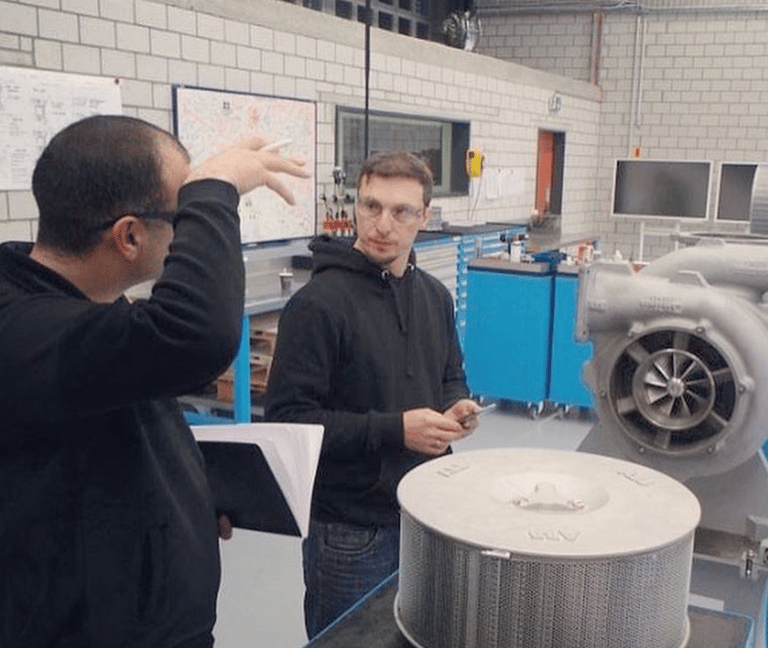
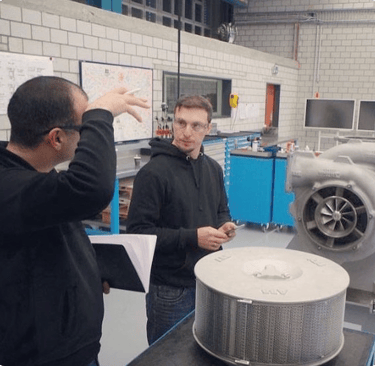
Research revealed how engineers work in real environments and where simpler workflows deliver the most value.

Building isolated tools was the goal of creating a unified digital ecosystem where monitoring, service planning, and spare parts workflows could work together seamlessly. This approach reduced fragmentation and enabled engineers to move between tasks without losing context.
PRODUCT STRATEGY


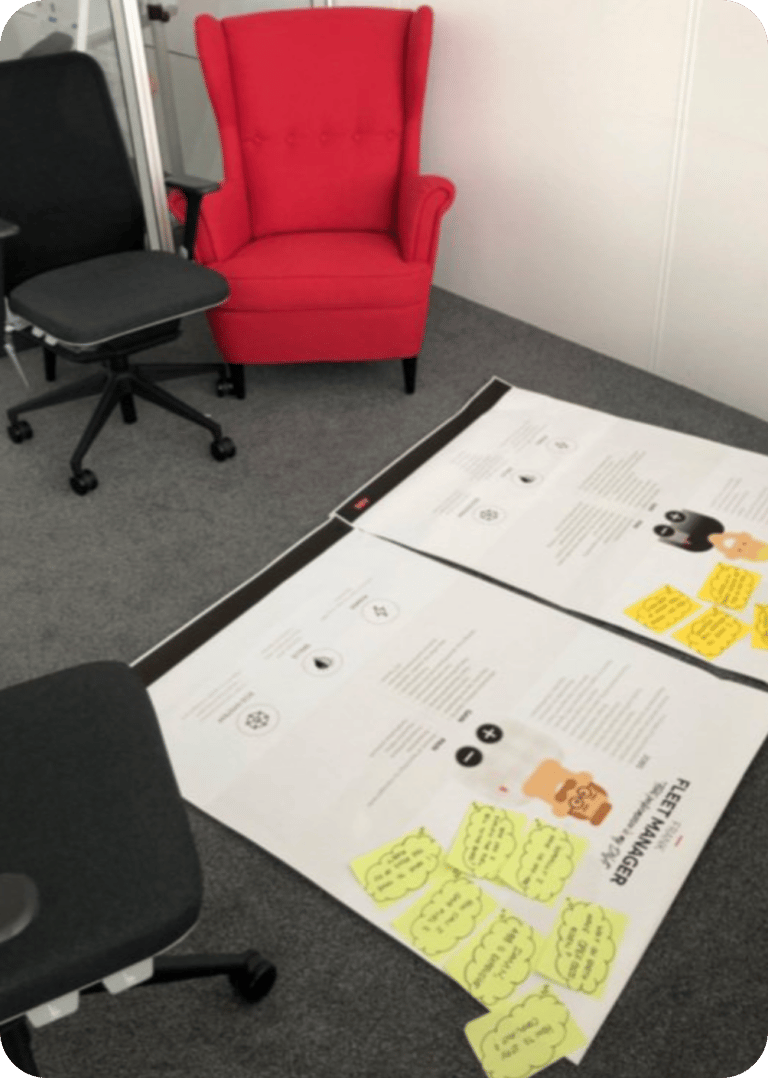
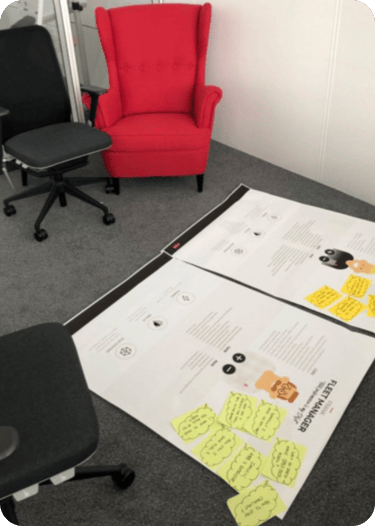
Rather than designing for a generic user, I defined focused personas representing key decision-makers in fleet operations — professionals who rely on clear insights, efficient workflows, and reliable data to manage complex engineering environments.
Frank is a 45 year old global manager. He coordinates performance, cost efficiency, and service planning across vessels and teams. They focus on long-term optimization and need reliable insights to align operations, maintenance, and business priorities.
Values consistent reporting, predictable operations, and data-driven insights that support strategic planning and cost efficiency.
VALUES
OPPORTUNITIES
FRANK — FLEET MANAGER
DEFINING PERSONA


Limited visibility across vessels, inconsistent reporting between systems, and difficulty aligning operational performance with business goals.
FRUSTRATIONS
Enable cross-fleet monitoring through unified dashboards, standardize reporting across teams, and connect performance insights with service planning and cost control.


Steve is a 48 year old the operational decision maker. He oversees vessel performance, maintenance planning, and operational reliability across multiple ships. Steve needs fast visibility into equipment status and clear signals to make confident decisions without digging through complex systems.
Value to prioritize operational reliability, fast decision-making, and clear visibility into fleet performance to keep vessels running efficiently.
VALUES
OPPORTUNITIES
STEVE — SUPERINTENDENT




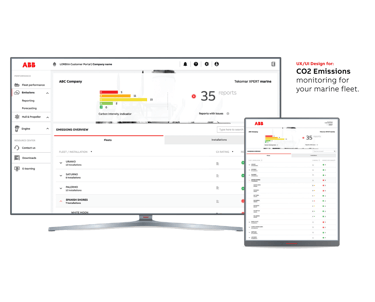
Struggles with fragmented tools, unclear performance data, and time-consuming workflows that slow down maintenance planning and decision-making across fleets.
FRUSTRATIONS
Provide high-level fleet visibility with actionable insights, simplify maintenance planning workflows, and surface clear performance signals that support faster operational decisions.
Monitoring
Real-time performance data and diagnostics for turbochargers.
Based on research insights, the platform was structured around core service workflows rather than technical systems.
Product Architecture
This task-based architecture reduced complexity and allowed engineers to access critical information faster.
Service planning
Maintenance scheduling, inspection records, and service history.
Spare parts
Quick identification and ordering of required components.


Visual System
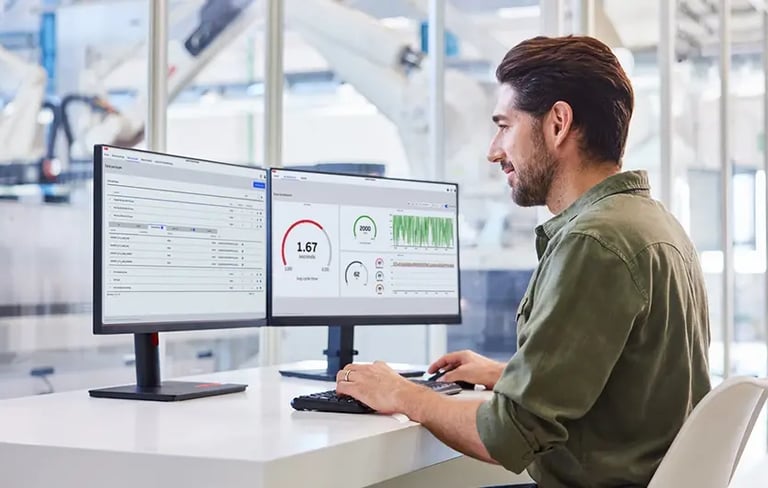
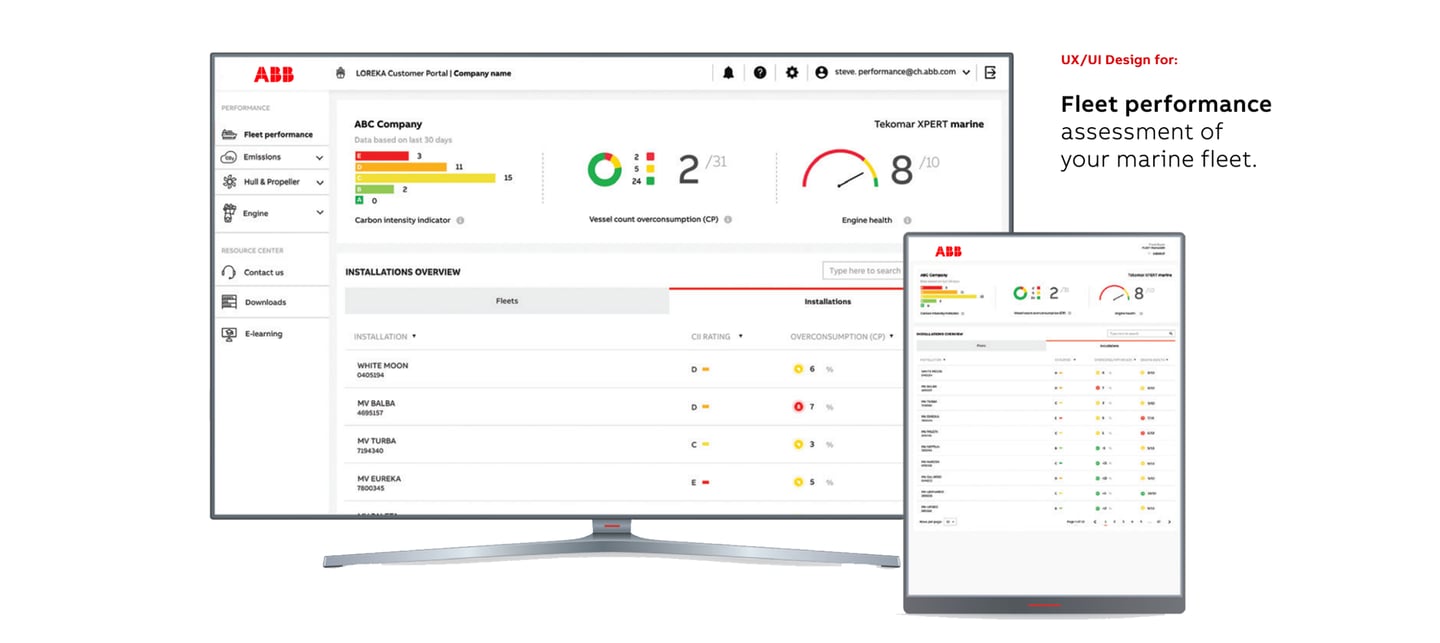
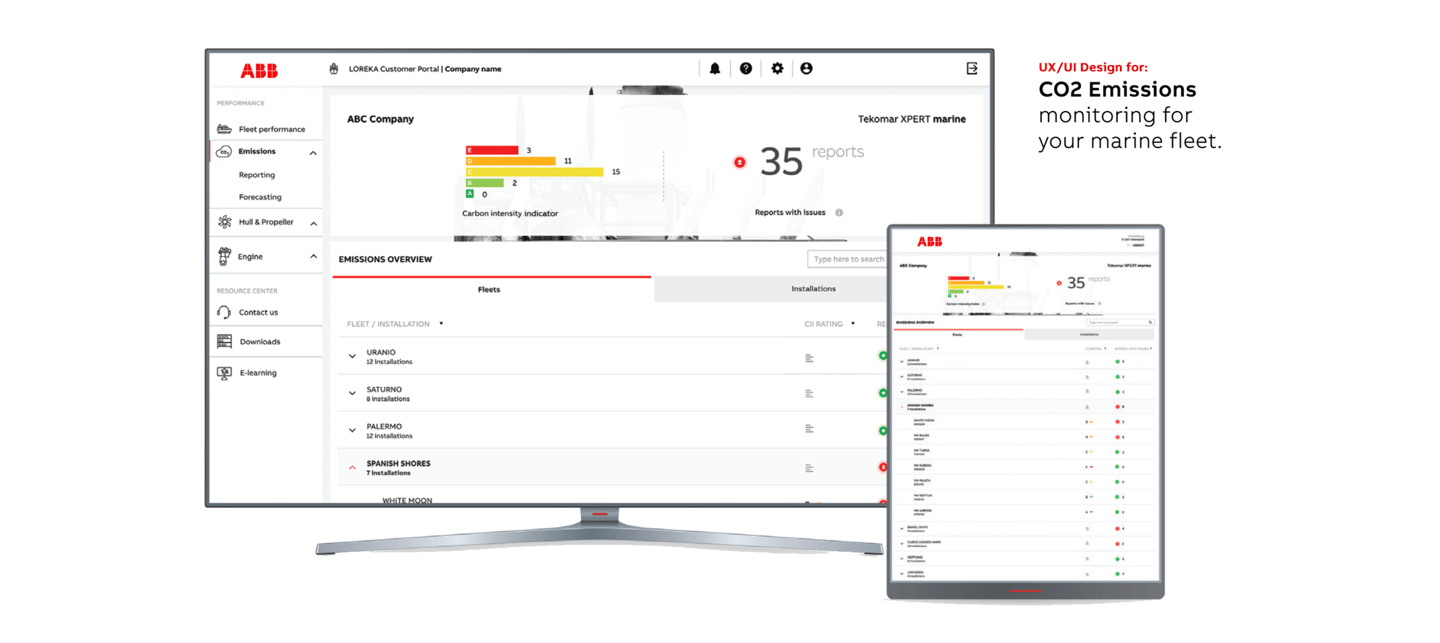
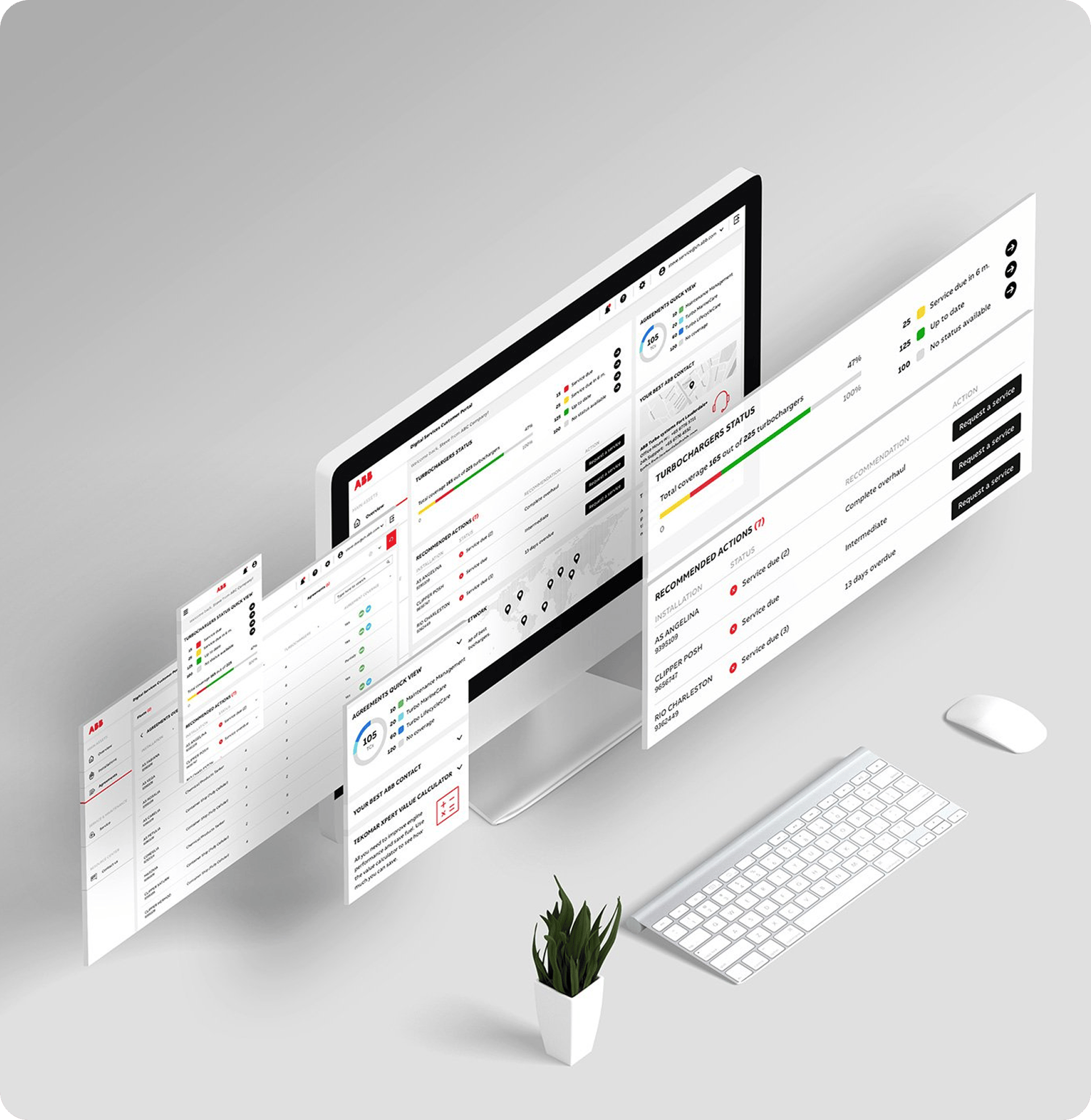
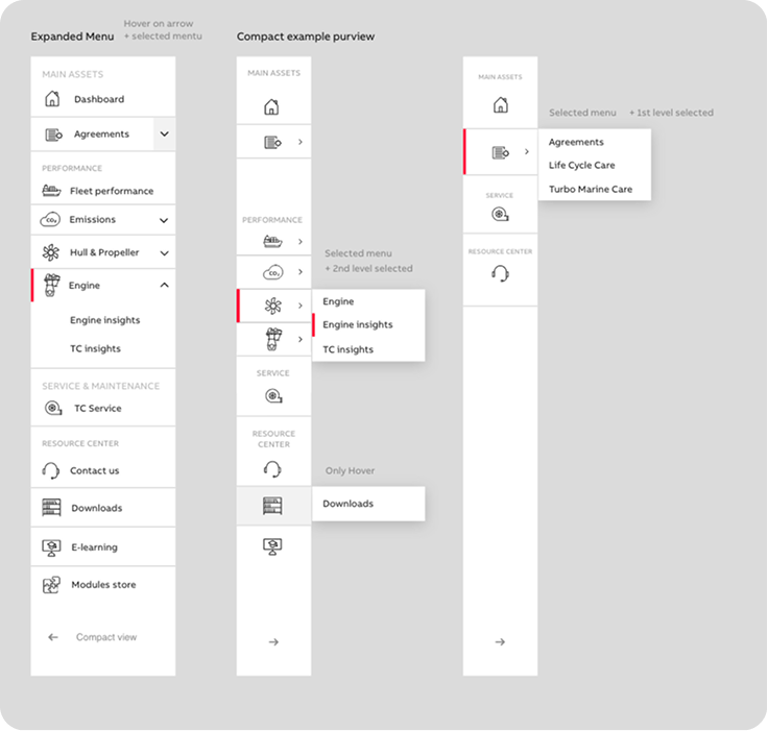
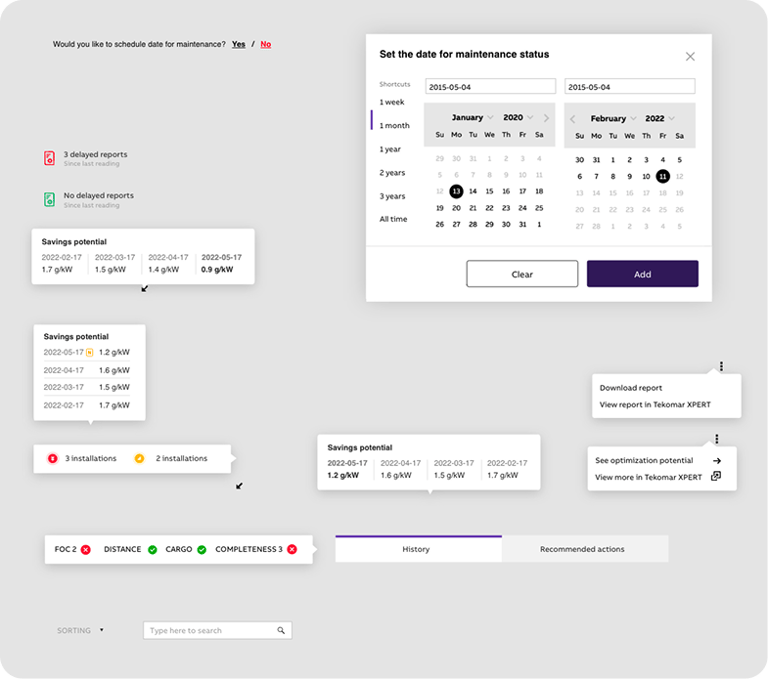
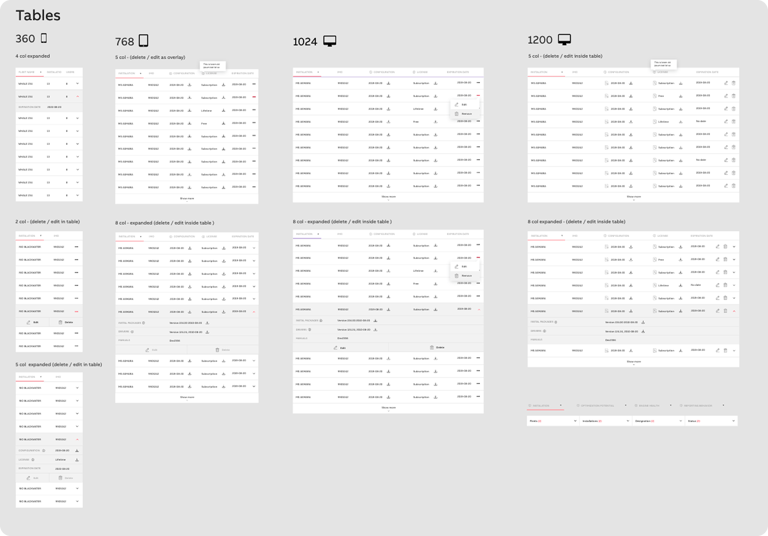
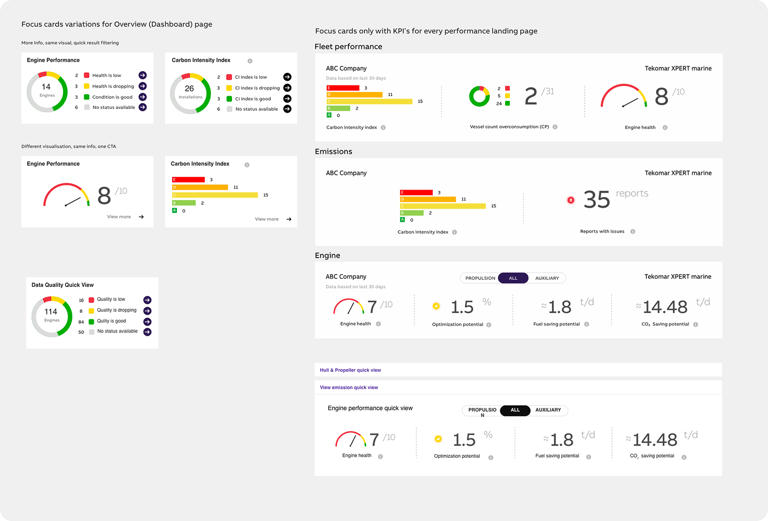
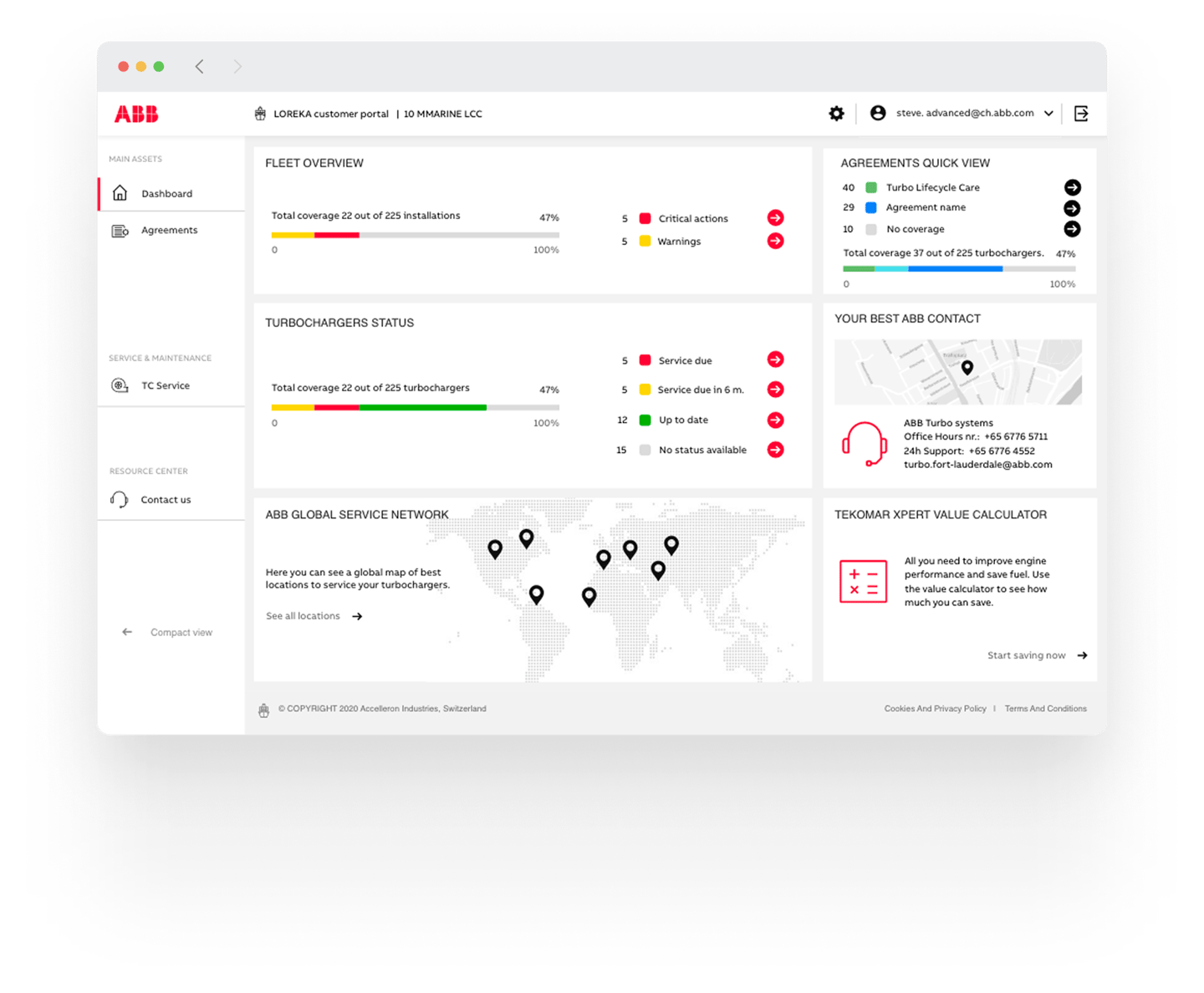
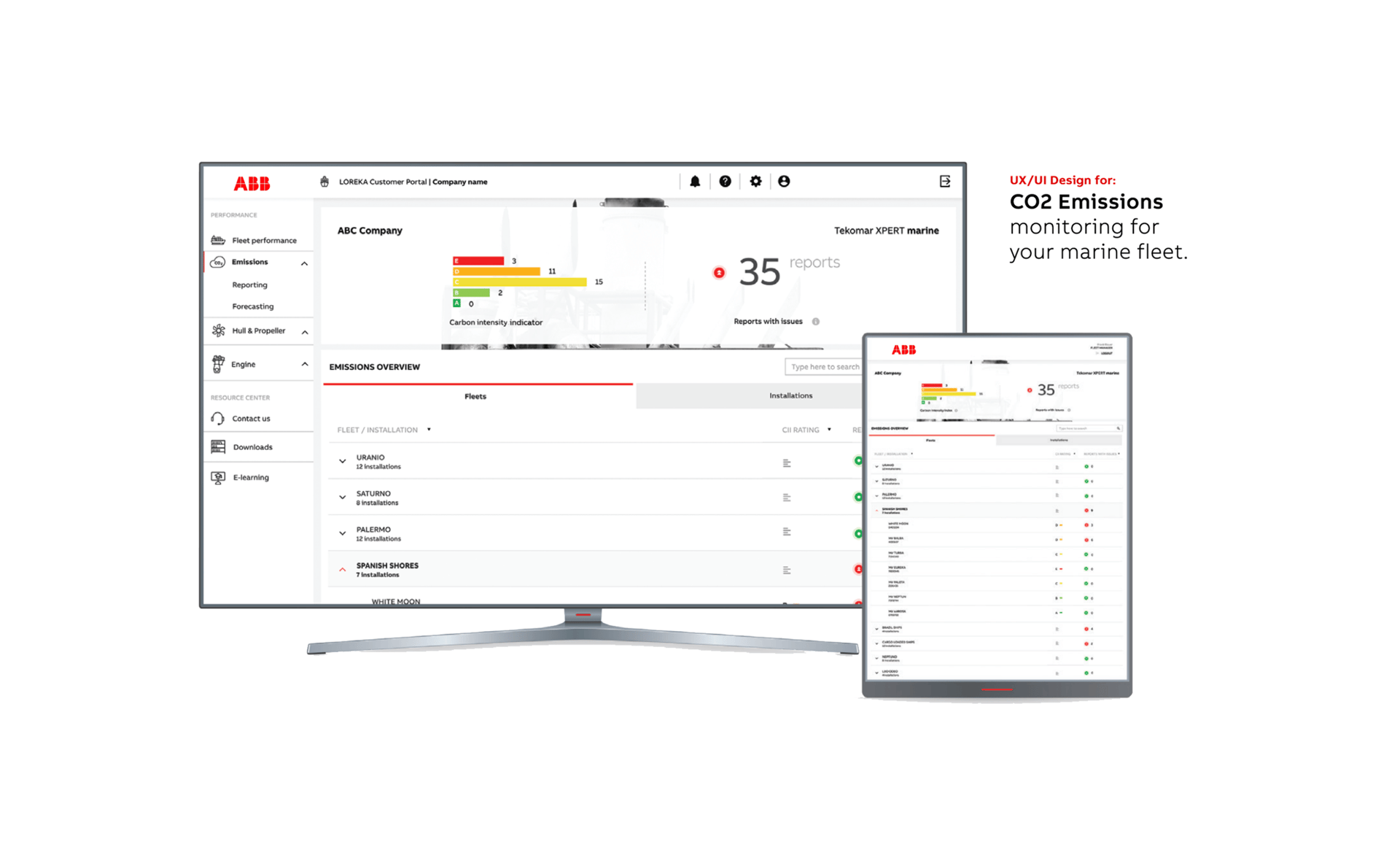
A unified visual system was created to ensure consistency across the platform while making complex industrial data easier to interpret.
USER INTERFACE
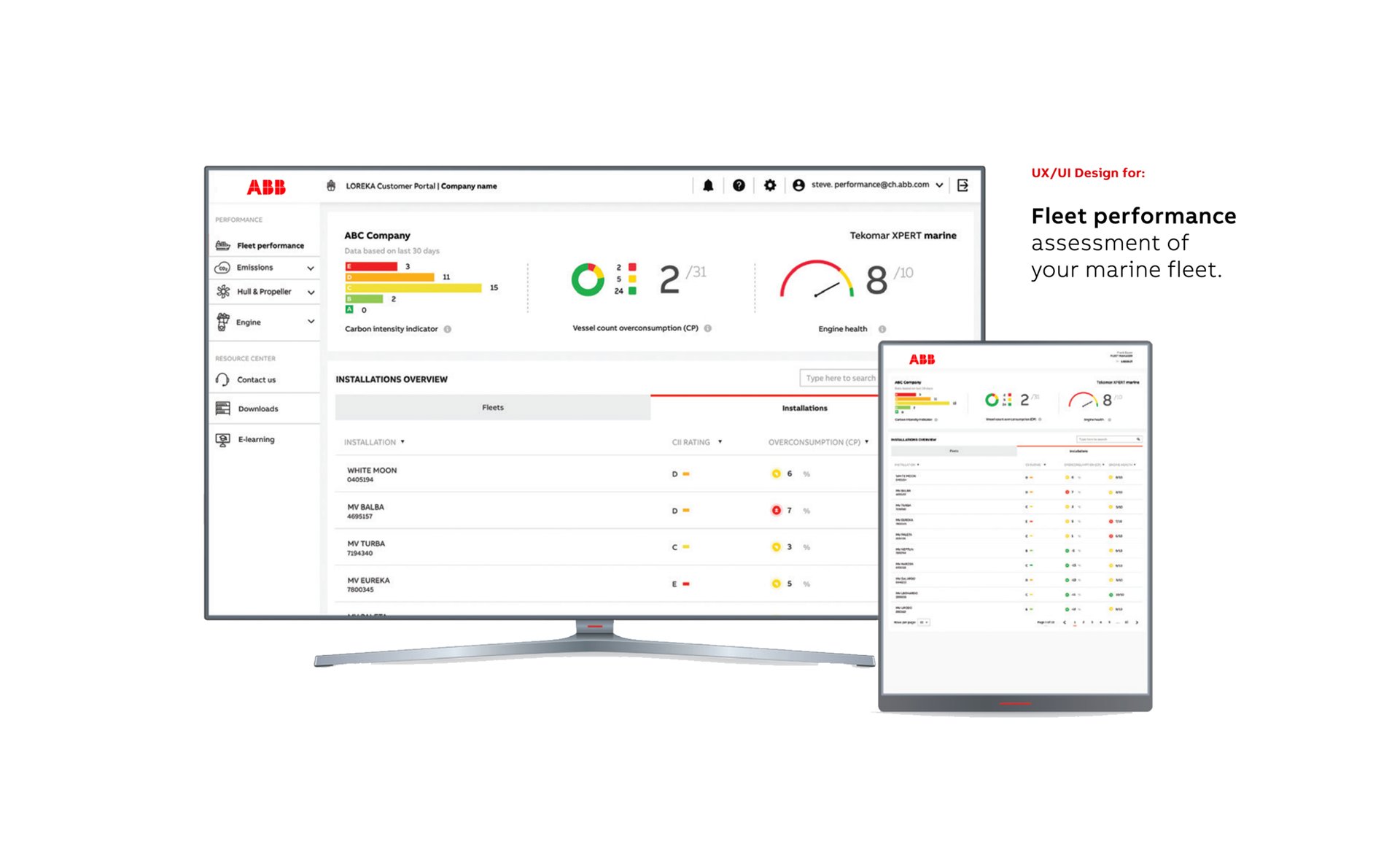
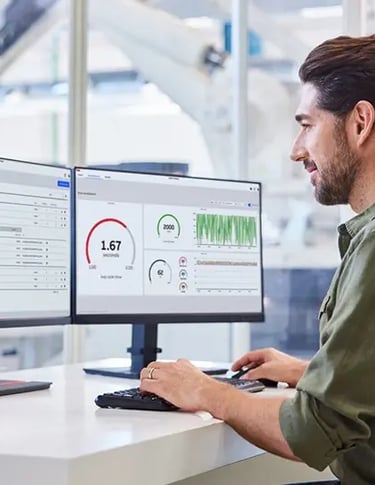
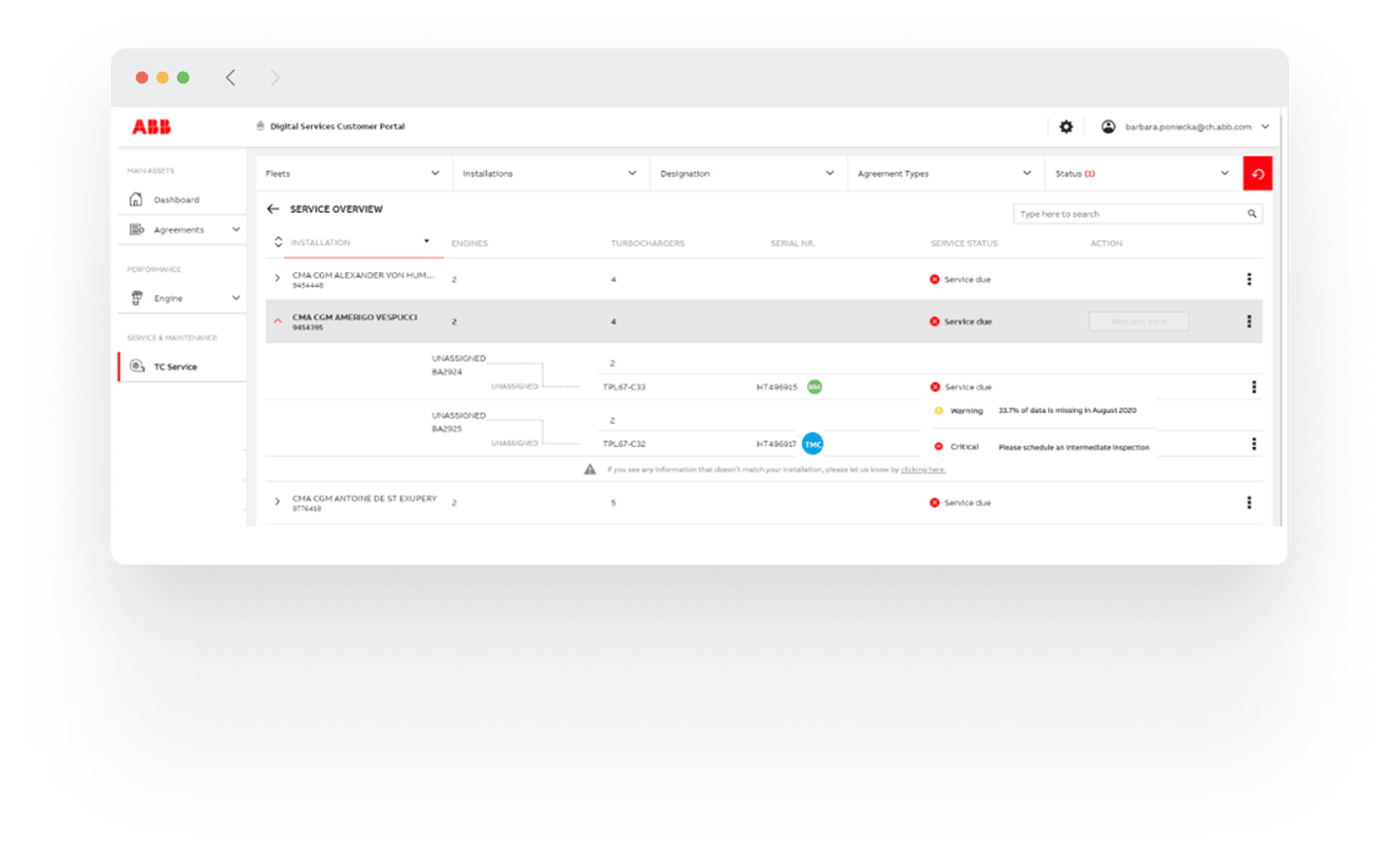
The interface prioritizes clarity, strong hierarchy, and structured data visualization so engineers can quickly identify performance trends and service requirements. A modular design system enabled scalable components for dashboards, analytics, and operational workflows while maintaining consistency across multiple digital products.
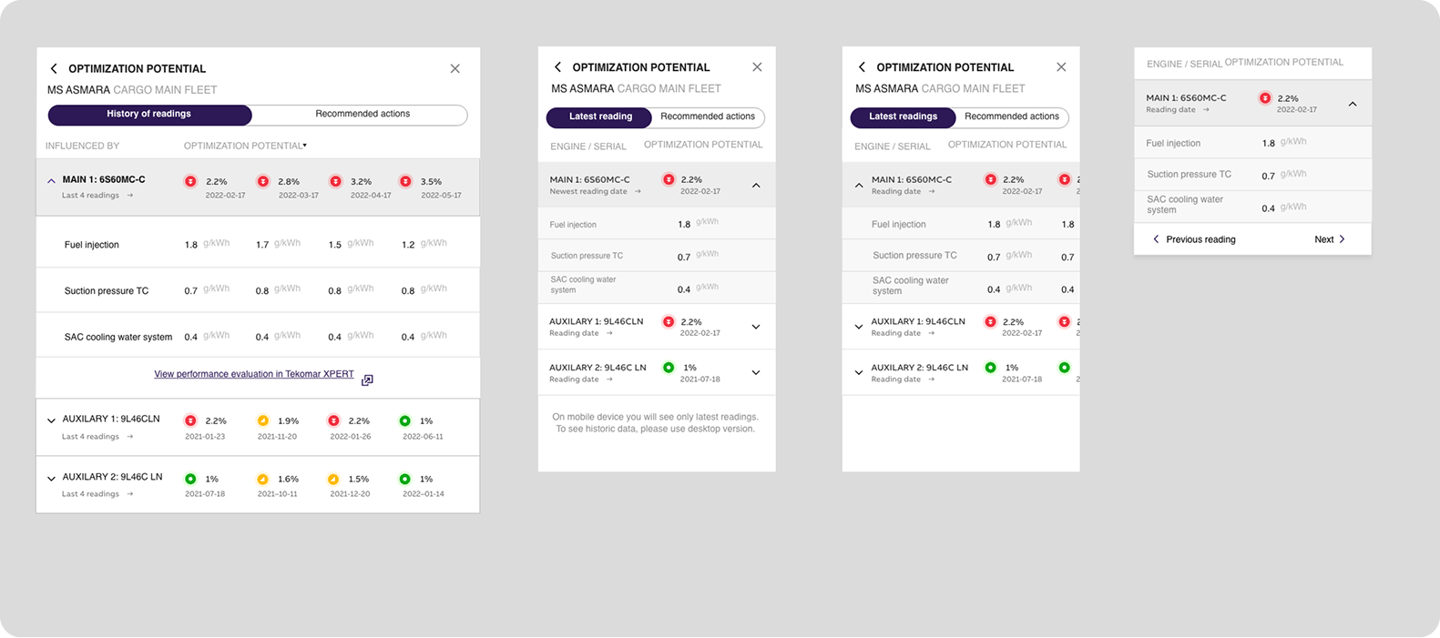
The redesign repositioned LOREKA from a fragmented set of service tools into a unified digital platform that enables faster, more confident decision-making across global engineering teams.
The Impact
By structuring the experience around real operational workflows, engineers can plan maintenance more efficiently, interpret performance data with greater clarity, and manage service activities with less effort.
The redesigned platform simplified complex engineering workflows and unified multiple service tools into a single scalable digital ecosystem.
OVERALL IMPACT
40%
Faster service planning
Improved workflows and clearer information hierarchy significantly reduced the time engineers spend planning maintenance tasks.
35%
Better data visualization helped engineers interpret system performance and diagnose issues faster.
Improved performance tasks








40%
38%
Higher spare parts ordering success
Simplified navigation and clearer component identification improved ordering accuracy and efficiency.
A scalable design system improved collaboration between design and engineering teams.
Reduce development friction
The redesign streamlined complex service workflows by making technical data clearer, tasks faster, and interactions more consistent across the platform. Engineers can now plan maintenance, analyze performance, and manage spare parts with greater speed and confidence, while a scalable design system has improved delivery efficiency and adoption across global teams.
RESULTS

LESSONS & TAKEAWAYS
This project reinforced the importance of system thinking when designing enterprise products.
Early collaboration with engineers and service teams helped ensure solutions matched real operational needs. Building a scalable design system also proved critical for maintaining consistency across complex industrial products and accelerating development.